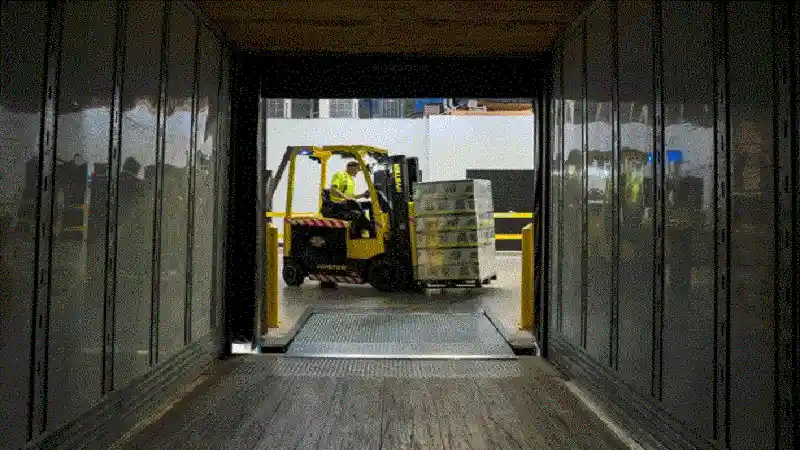
Running a busy warehouse in Dandenong or managing a construction site in the heart of Melbourne? The machinery you choose is the backbone of your daily operations. It usually boils down to two main paths: putting your capital into owning a machine outright or opting for the flexibility of a rental agreement. Both options have their merits, and the right choice usually depends on your specific workflow, your financial goals, and how much heavy lifting you expect to do in the coming years.
When you look at the current industrial landscape, it’s clear that every project has its own heartbeat. For companies like Biondo Rentals, choosing between hiring and buying is a decision that weighs up long-term maintenance, tax benefits, and the ability to pivot when the market shifts.
The Benefits of Forklift Hire
One of the biggest wins with hiring is the immediate injection of flexibility into your business. If you suddenly land a massive contract that requires three extra reach trucks for six months, you can scale up instantly.
Once the job wraps up, the machines go back, and your overheads drop accordingly. This approach keeps your cash flow healthy and predictable. You aren’t tied down by a massive asset that might sit idle in the corner of the shed during a spell.
Maintenance is another area where hiring really shines. When you hire a forklift, the responsibility for servicing, inspections, and those unexpected repairs sits with the provider. If a machine needs a bit of TLC, a technician is usually on the way before you’ve even finished your morning coffee.
The Case for Buying Outright
For some operations, nothing beats the feeling of owning your gear. If your forklift is running eight hours a day, five days a week, all year round, buying might be the most cost-effective path in the long run. Ownership allows you to customise the machine to your exact heart’s content. You can add specific attachments or modifications that stay on the unit permanently, which is a great shout for highly specialised tasks.
There’s also the matter of asset value. A well-maintained forklift holds its worth reasonably well in the Australian market. From a tax perspective, owning machinery can offer certain depreciation benefits that your accountant will likely appreciate during the end-of-financial-year rush.
Financial Considerations and Cash Flow
Looking at the numbers is where the rubber hits the road. Buying a new forklift requires a significant upfront investment. Even with financing, you’re looking at a commitment that impacts your borrowing power for other areas of the business.
For a growing company, that capital might be better spent on hiring more staff or expanding the floor space. Hiring converts a large capital expense into a manageable operating cost, which often makes your balance sheet look a lot tidier.
It’s also worth thinking about the total cost of ownership. When you buy, you’re on the hook for insurance, registration, and the eventual costs of replacing tyres and batteries. These things can add up quickly.
With a hire agreement, these costs are typically bundled into a single, transparent weekly or monthly payment. It makes budgeting a breeze because you know exactly what’s going out of the bank account every month.
Access to Modern Technology
The world of material handling is moving fast. Newer models are becoming more fuel-efficient, more ergonomic, and packed with better safety tech every year. If you buy a forklift today, you are likely going to be using that same technology for the next decade. By the time you reach the five-year mark, your ‘new’ machine might feel a bit like yesterday’s news compared to the latest electric models hitting the market.
Hiring allows you to keep your fleet fresh. You can take advantage of the latest innovations in battery life and operator comfort without having to sell off an old machine first. This is particularly important for businesses looking to reduce their carbon footprint. Switching to the latest electric forklifts is a lot easier when you can simply update your hire agreement.
Matching Equipment to the Project
Not every job is the same. One month, you might need a compact pallet jack for tight aisles, and the next you might need a heavy-duty diesel unit for outdoor work on uneven ground. If you own your equipment, you’re often forced to make do with what you have, even if it isn’t the perfect fit for a new task. This can lead to inefficiencies or, even worse, safety concerns.
Opting for a rental model gives you access to a diverse fleet. You can pick and choose the exact specifications required for a specific contract. It’s all about having the right horse for the right course. Why settle for a compromise when you can have the perfect tool delivered to your door?
Conclusion: Making the Final Choice
If your workload is steady and your requirements rarely change, buying a reliable forklift could be a fantastic move for your business. However, if you value agility, want to preserve your capital, and prefer someone else to handle the greasy work of maintenance, hiring is hard to beat.
The best way forward is to sit down and look at your project pipeline for the next 2-3 years. Consider how much flexibility you really need and how you prefer to manage your monthly expenses.
Whether you decide to invest in your own fleet or partner with a trusted provider for a long-term hire, the goal remains the same: keeping your operations safe, efficient, and moving forward. Take the time to weigh up the pros and cons, and you will find the path that helps your business thrive.