
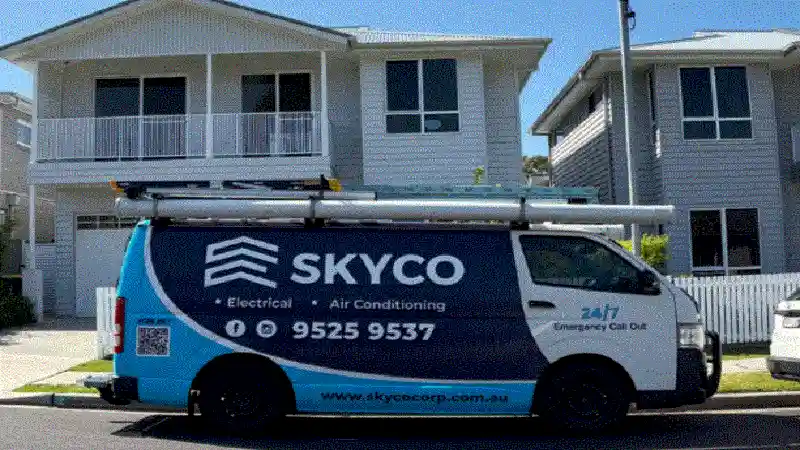
Modern homes rely heavily on electricity to power appliances, lighting, heating, cooling, and entertainment systems. As technology continues to evolve, many older electrical systems struggle to keep up with the increasing demand. Upgrading electrical systems is often necessary to ensure safety, efficiency, and reliability. Many homeowners consult Skyco Trades electrician Kogarah when considering electrical upgrades to ensure work is completed safely and in accordance with Australian standards.
Electrical system upgrades can improve performance, reduce safety risks, and support modern appliances and technologies. Understanding when and why these upgrades are necessary can help homeowners make informed decisions about maintaining their properties.
Why Electrical Systems May Need Upgrading
Many homes, particularly older properties, were built when electrical demands were significantly lower. At that time, households typically used fewer appliances and required less power. Today, modern homes rely on numerous devices such as air conditioners, home entertainment systems, kitchen appliances, and charging stations for electronic devices. These additional loads place greater pressure on electrical systems. If a home’s wiring or switchboard is outdated, it may struggle to support modern electrical needs. Upgrading the system ensures it can safely handle increased power demands without overloading circuits.
Signs Your Electrical System May Be Outdated
Homeowners may notice several warning signs that indicate their electrical system may need an upgrade. Frequent circuit breaker trips are one of the most common indicators that the system is overloaded.
Flickering lights, buzzing sounds from outlets, or warm power points can also suggest electrical issues that require professional attention. In some cases, homes may still rely on outdated fuse boxes rather than modern switchboards with circuit breakers and safety switches. Older wiring systems may not meet current safety standards, increasing the risk of electrical faults or fires. If these signs are present, it is important to consult a licensed electrician for a professional assessment.
The Importance of Switchboard Upgrades
One of the most common electrical upgrades in residential properties involves replacing an outdated switchboard. The switchboard is responsible for distributing electricity throughout the home and protecting circuits from overloads. Older switchboards often lack safety switches, which are essential for preventing electric shock. Upgrading the switchboard ensures that modern protective devices are installed and that circuits are properly managed. A modern switchboard can also support additional circuits required for new appliances or home extensions. This upgrade improves both safety and functionality within the home.
Supporting Modern Appliances and Technology
New appliances and technologies often require higher electrical capacity than older systems were designed to handle. Electric cooktops, air conditioning units, electric vehicle chargers, and smart home systems all place additional demands on electrical infrastructure. Electrical upgrades allow homeowners to install these technologies safely. Without adequate electrical capacity, appliances may not operate efficiently or may cause circuit overloads. Upgrading wiring and circuits ensures that modern devices function properly while maintaining electrical safety.
Improving Energy Efficiency
Electrical system upgrades can also contribute to improved energy efficiency. Modern electrical installations allow homeowners to integrate energy-efficient lighting, appliances, and power management systems. LED lighting, for example, consumes significantly less energy than traditional lighting systems. Upgraded wiring and circuits also help ensure that electricity flows efficiently without unnecessary power loss. In some cases, electricians may recommend additional upgrades that support renewable energy systems or smart energy monitoring solutions.
Enhancing Safety for the Household
Safety is one of the most important reasons to upgrade an electrical system. Outdated wiring or overloaded circuits can create serious hazards within the home. Modern electrical upgrades often include the installation of safety switches, improved circuit protection, and updated wiring that meets current safety standards. These improvements significantly reduce the risk of electrical accidents. Professional electricians carefully inspect the existing system to identify potential risks and recommend upgrades that enhance safety for the entire household.
Supporting Renovations and Home Extensions
Renovations and home extensions often require electrical modifications. Adding new rooms, kitchens, or outdoor living areas may involve installing additional power outlets, lighting systems, and dedicated circuits. Electrical upgrades ensure that these new installations integrate seamlessly with the existing system. Without proper upgrades, older electrical infrastructure may not support the increased load created by renovations. Planning electrical upgrades during renovation projects helps ensure the home remains safe and fully functional.
The Role of Licensed Electricians
Electrical upgrades should always be performed by licensed electricians who understand Australian electrical standards and safety regulations. Professional electricians assess the existing system, identify potential issues, and design upgrades that meet the needs of the property. They ensure wiring is installed correctly, circuits are balanced, and protective devices function properly. Licensed professionals also provide certification for completed work, confirming that installations comply with regulatory requirements. Working with experienced electricians helps homeowners avoid costly mistakes and ensures upgrades are completed safely.
Conclusion
Electrical systems are a vital part of modern homes, supporting a wide range of appliances and technologies that make everyday life more comfortable and convenient. As electrical demands continue to grow, upgrading outdated systems becomes increasingly important.
Electrical upgrades improve safety, support modern appliances, and enhance the overall efficiency of a home’s electrical infrastructure. By identifying potential issues early and working with licensed electricians, homeowners can ensure their electrical systems remain reliable and compliant with current standards. Investing in professional electrical upgrades is a practical step toward creating a safer, more efficient, and future-ready home.