
Outdoor spaces have steadily moved from being optional extras to becoming central features of modern homes. Whether it’s a backyard, patio, or driveway area, homeowners are increasingly looking for ways to make these spaces more usable, comfortable, and visually cohesive. The goal is no longer just to decorate but to design environments that serve a clear purpose.
This evolution has led to a more thoughtful approach to exterior upgrades. Instead of scattered improvements, homeowners are focusing on creating structured outdoor spaces that align with how they live. When done right, these areas feel like natural extensions of the home rather than separate, underutilized zones.
Rethinking Outdoor Space as Usable Living Area
The most effective outdoor designs begin with a shift in perspective. Rather than viewing the yard as space, it’s treated as an extension of indoor living. This mindset opens the door to more planning, where each section of the space serves a defined role.
Whether it’s a shaded seating area, a dining zone, or a protected storage space, defining purpose helps guide every design decision. It also ensures that the space remains functional throughout the year, rather than being limited to occasional use.
Creating Structure Through Zoning
Dividing outdoor areas into zones is one of the simplest ways to improve usability. Each zone can be designed around a specific activity, making the overall space more organized and intuitive. This approach also prevents overcrowding, allowing each element to stand out without competing for attention.
Clear zoning helps homeowners make better use of available space while maintaining a sense of balance and flow.
Incorporating Covered Features for Comfort and Protection
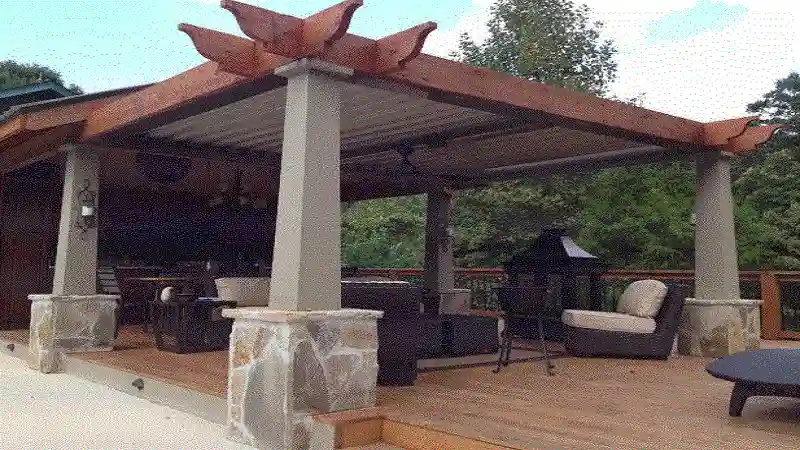
Covered structures play a vital role in making outdoor spaces more practical. They protect from sunlight, rain, and debris, allowing areas to remain usable regardless of weather conditions. This added flexibility is one of the main reasons they have become so popular in modern home design.
Homeowners looking for reliable and well-integrated solutions often explore options like custom patio covers from providers such as Royal Covers, where functionality is paired with clean, adaptable design. These structures can be tailored to suit different layouts, ensuring they complement rather than disrupt the overall aesthetic.
Beyond protection, covered areas help define space. They create natural focal points that anchor the design and give the outdoor area a more complete and intentional feel.
Aligning Design With Existing Architecture
To achieve a cohesive look, covered structures should reflect the style of the home. This includes matching materials, colors, and proportions. When these elements are aligned, the addition feels like part of the original design rather than an afterthought.
This attention to detail contributes to a more polished and harmonious exterior.
Drawing Inspiration From Modern Patio and Garden Concepts
Outdoor design ideas have evolved significantly, offering a wide range of possibilities for homeowners. From minimalist layouts to more layered, textured environments, there’s no shortage of inspiration available. Exploring concepts like those shared in practical patio and garden design ideas can help homeowners visualize how different elements come together.
These resources often highlight the importance of combining functionality with style. Features such as seating arrangements, lighting, and landscaping all contribute to the overall experience of the space.
By adapting these ideas to suit their own needs, homeowners can create spaces that feel both personalized and practical.
Balancing Indoor and Outdoor Design Approaches
There’s a growing trend toward blending indoor and outdoor aesthetics. This approach creates a seamless transition between spaces, making the entire home feel more connected. Elements such as consistent color schemes, similar materials, and aligned design details help bridge the gap.
Insights from modern home transformation strategies show how thoughtful design can unlock underutilized areas. While the focus may differ, the underlying principle remains the same—maximize space by making it functional and cohesive.
Applying this mindset to outdoor areas ensures they feel like integral parts of the home rather than separate environments.
Creating Visual Continuity
Visual continuity is achieved by repeating design elements across different areas. This could involve using similar textures, coordinating colors, or maintaining consistent structural lines. When done correctly, it creates a unified look that enhances the overall appeal of the property.
Consistency not only improves aesthetics but also reinforces the sense of intentional design.
Choosing Materials That Support Durability and Style
Outdoor spaces are constantly exposed to environmental conditions, making material selection a critical consideration. Durable materials help maintain the integrity of the design while reducing the need for frequent maintenance.
Options such as treated metal, composite surfaces, and sealed stone offer a balance between resilience and visual appeal. These materials are designed to withstand weather changes while retaining their appearance over time.
Investing in quality materials ensures that the space remains functional and attractive with minimal upkeep.
Designing for Flexibility and Long-Term Use
Outdoor spaces should be adaptable to changing needs. What begins as a quiet seating area may later become a space for entertaining or family gatherings. Designing with flexibility in mind allows homeowners to adjust their spaces without major renovations.
Covered structures, in particular, offer versatility. They can serve multiple purposes depending on how the space evolves, making them a practical addition for long-term use.
This adaptability ensures that the investment continues to deliver value over time.
Maximizing Usability Year-Round
One of the main advantages of thoughtful outdoor design is the ability to use the space throughout the year. Features that provide shade, protection, and comfort extend usability beyond seasonal limitations.
By addressing environmental factors, homeowners can create spaces that remain functional regardless of changing conditions.
Conclusion
Transforming outdoor areas into functional living spaces requires more than decorative touches. It involves careful planning, thoughtful design, and a focus on usability. By incorporating structure, choosing durable materials, and ensuring design consistency, homeowners can create spaces that feel complete and inviting.
The most successful outdoor designs are those that align with everyday needs while maintaining a strong visual identity. With the right approach, these spaces become valuable extensions of the home, offering comfort, flexibility, and lasting appeal.