Bathroom vanities are essential components of modern bathroom design that combine aesthetics with practical storage solutions. They play a crucial role in enhancing both the style and functionality of the space. In recent years, several new trends have emerged that allow homeowners and interior designers to create customised and appealing bathroom environments.
One of the most sought-after elements in contemporary bathroom design is the Vanity. Selecting the right vanity can dramatically alter the ambience of a bathroom, making it more inviting and aligned with the overall décor theme.
Modern Minimalism in Bathroom Vanities
Modern minimalist designs emphasise clean lines, understated colours, and streamlined forms. Bathroom vanities that embrace this trend often feature sleek surfaces devoid of excessive ornamentation. Materials such as matte finishes and natural wood textures are frequently utilised to achieve a balanced yet simple look. This style not only promotes a clutter-free appearance but also facilitates easier cleaning and maintenance.
Floating Vanities for a Contemporary Appeal
Floating vanities have become increasingly popular due to their ability to create an illusion of more space. Mounted directly on the wall, these vanities elevate the floor area, enhancing the visual openness of smaller bathrooms. They are often paired with under-cabinet lighting to accentuate their modern aesthetic and provide additional functional illumination.
Emphasis on Storage Efficiency
Functionality remains a priority alongside style. Bathroom vanities are now designed with a focus on maximising storage options without compromising on design integrity. Features such as soft-close drawers, integrated organisers, and pull-out shelves are being incorporated to aid in better space management and user convenience.
Mixed Materials for Textural Contrast
A growing trend involves the use of mixed materials in the construction of bathroom vanities, combining elements such as wood, metal, stone, and glass. This approach lends a dynamic and sophisticated look by providing visual and textural contrast. For example, a vanity with a wooden base complemented by a stone countertop offers both durability and an upscale appearance.
Customisation and Personalisation
Consumers increasingly seek vanities that can be tailored to their specific needs and tastes. Custom sizes, finishes, and hardware options allow for a personalised touch in bathroom design. This degree of customisation ensures that the vanity fits seamlessly into the existing layout and meets individual storage demands.
Incorporation of Technology
Technological advancements are influencing bathroom vanity designs. Features such as integrated LED lighting, built-in charging stations, and smart mirrors with anti-fog and touch-control functionalities are becoming more common. These innovations serve to enhance user experience and convenience.
Eco-Friendly Vanities
Environmental considerations are impacting design choices, leading to the creation of sustainable and eco-conscious bathroom vanities. Utilising reclaimed wood, water-saving faucets, and low-VOC finishes contributes to reducing environmental impact. Such options appeal to environmentally aware consumers without sacrificing quality or style.
Colour Trends in Bathroom Vanities
While classic white remains popular for a clean and timeless look, there is an increasing embrace of darker and bolder colours. Shades such as navy blue, charcoal grey, and forest green are employed to add depth and sophistication. Matte finishes are preferred over glossy ones for a contemporary and elegant feel.
Space-Saving Designs for Compact Bathrooms
Small bathroom spaces demand innovative vanity solutions. Corner vanities, narrow profiles, and vertical storage units help to maximise available room without overcrowding. Such designs are practical while maintaining style integrity.
Integration with Other Bathroom Elements
Another trend is the integration of the vanity with other elements such as sinks, mirrors, and lighting fixtures to create a cohesive design statement. Coordinated styles and materials foster harmony and balance, highlighting attention to detail and craftsmanship.
Durability and Maintenance Considerations
Durability remains a critical factor in bathroom vanity selection. Materials resistant to moisture, stains, and daily wear are preferred to ensure longevity. Easy maintenance is equally important, with finishes designed to withstand cleaning agents and prevent water damage.
Vanities with Double Sinks for Shared Spaces
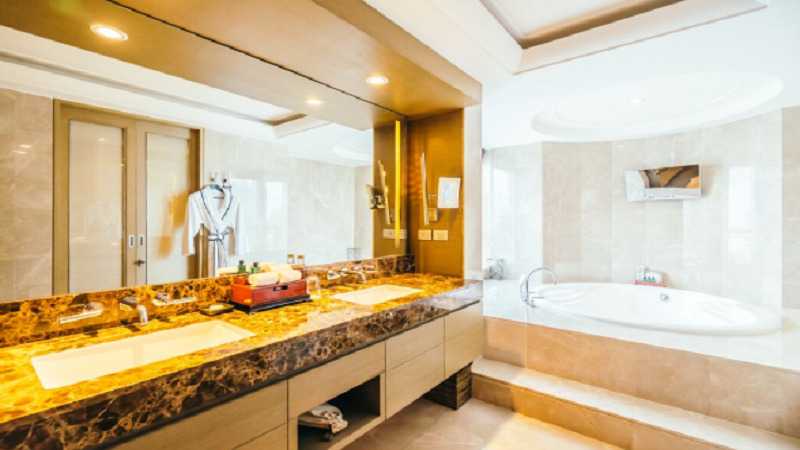
For bathrooms shared by multiple users, double sink vanities offer both convenience and enhanced space utilisation. These designs support simultaneous use and provide additional countertop and storage space, making them suitable for family or guest bathrooms.
Vanity Lighting Trends
Complementary lighting around the vanity enhances functionality and ambience. Wall-mounted sconces, LED strips alongside mirrors, and under-cabinet lighting contribute to even illumination critical for grooming tasks while adding decorative appeal.
Choosing Vanities that Increase Property Value
Investing in stylish yet practical bathroom vanities can increase property value. Buyers often appreciate modern bathrooms with efficient storage solutions and appealing fittings, making vanities a focal point in real estate considerations.
Conclusion
Bathroom vanity trends continue to evolve, focusing on style, functionality, customisation, and sustainability. Selecting a vanity that reflects these trends helps transform bathroom spaces into elegant and efficient environments. With options encompassing minimalist designs, floating installations, mixed materials, and tech integration, there are versatile solutions to suit diverse preferences and spatial requirements. See more