
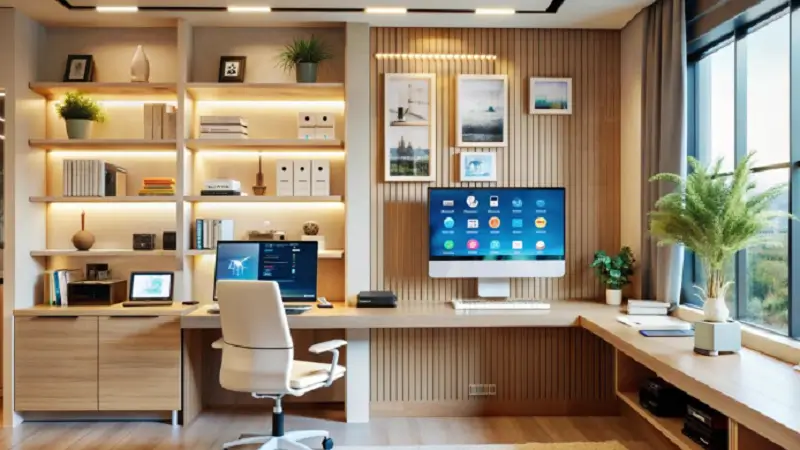
As workplaces and living spaces evolve in 2026, the emphasis shifts toward environments that accommodate diverse physical needs while maintaining streamlined functionality. Property owners face mounting pressure to balance aesthetic appeal with practical accessibility features, from stair lifts to adaptive storage systems. Understanding which upgrades deliver lasting value requires examining emerging trends through both an accessibility and an organizational lens.
Top Home and Office Upgrade Trends for 2026
As remote work solidifies its place in modern professional life, home and office upgrades are shifting toward designs that prioritize both functionality and well-being. The 2026 landscape emphasizes biophilic elements, integrating natural light and plants to reduce stress and enhance productivity. Modular furniture systems gain traction, allowing spaces to adapt quickly between work and leisure modes.
Universal design principles drive accessibility features, including adjustable-height desks, wider doorways, and touchless interfaces.
Acoustic treatments address noise pollution in shared spaces, while dedicated zones for focused work combat digital fatigue. Storage solutions incorporate vertical systems and hidden compartments to maintain visual clarity. These trends reflect a holistic approach where physical environments actively support cognitive performance and physical health.
Using Self Storage Solutions to Reduce Clutter and Maximize Space
Strategic use of self-storage creates breathing room in living and working environments where permanent expansion is not feasible. Seasonal items, archived documents, and infrequently used equipment consume valuable square footage that could serve daily functions. Climate-controlled units protect sensitive materials while freeing prime real estate for accessibility modifications and productive workflows.
Rotating inventory between active spaces and storage facilities maintains organization without sacrificing access to necessary items. Business owners store promotional materials, excess inventory, and legacy files off-site, transforming cramped offices into functional workspaces.
Homeowners reclaim garages, spare rooms, and basements by relocating recreational gear, holiday decorations, and sentimental collections. Modern storage facilities offer flexible lease terms and 24-hour access, accommodating changing needs without long-term commitments. This approach proves particularly valuable during renovation projects, providing temporary housing for furniture and belongings.
Improving Accessibility With a Lift for Stairs in Multi-Level Spaces
While decluttering and storage solutions address horizontal space constraints, vertical accessibility remains a significant barrier in multi-level homes and offices. Installing a lift for stairs in house settings transforms multi-story environments into fully accessible spaces for individuals with mobility limitations, elderly occupants, or those recovering from injuries.
Modern stair lifts offer streamlined designs that complement existing architecture without requiring extensive renovations. These systems mount directly to staircases, preserving wall space and allowing other household members unobstructed stair access. Advanced models feature intuitive controls, safety sensors, and battery backup systems, ensuring operation during power outages.
Beyond personal mobility needs, stair lifts facilitate transporting heavy items between floors, reducing injury risks associated with carrying loads on stairs. This dual functionality makes them practical investments for aging-in-place strategies and long-term property value enhancement.
Creating More Functional Workspaces Through Smart Organization Strategies
Effective workspace organization directly impacts productivity, mental clarity, and professional efficiency. Implementing vertical storage solutions maximizes floor space while keeping essential items within reach.
Cable management systems eliminate visual clutter and reduce tripping hazards, creating safer work environments. Modular desk organizers allow customization based on specific workflow needs, adapting as requirements change.
Ergonomic furniture placement guarantees proper lighting and reduces physical strain during extended work sessions. Digital filing systems complement physical organization by minimizing paper accumulation and improving document retrieval speed.
Designated zones for different tasks, such as computer work, phone calls, and paperwork, establish clear boundaries that enhance focus. Color-coded systems for files, supplies, and project materials streamline identification and reduce time spent searching. Regular decluttering schedules prevent organizational systems from deteriorating, maintaining long-term functionality and workspace effectiveness.
Enhancing Safety and Mobility for Long-Term Comfort and Convenience
Creating accessible living and working environments requires proactive modifications that address both immediate and future mobility needs. Installing grab bars in bathrooms, widening doorways to accommodate wheelchairs, and adding ramps at entryways eliminates physical barriers.
Lever-style door handles replace traditional knobs, requiring less grip strength and dexterity. Improved lighting reduces fall risks, particularly in hallways, stairways, and shifting spaces. Motion-activated fixtures provide hands-free illumination when needed.
Non-slip flooring materials and secured rugs prevent accidents on hard surfaces. Adjustable-height countertops and desks accommodate various physical requirements and seating preferences. Organizing frequently used items within easy reach minimizes unnecessary stretching or bending.
Clear pathways free from clutter guarantee safe navigation throughout spaces. These modifications support independent living while maintaining aesthetic appeal, creating environments that adapt to changing physical capabilities over time.
Space-Saving Furniture and Layout Ideas for Modern Interiors
How can homeowners and professionals maximize functionality in compact environments without sacrificing accessibility? Multi-functional furniture pieces serve dual purposes, such as wall-mounted desks that fold away when not in use or ottomans with hidden storage compartments. Murphy beds create additional floor space during daytime hours, while extendable dining tables accommodate varying numbers of occupants.
Strategic layout planning guarantees clear pathways for wheelchair users and individuals with mobility aids. Removing unnecessary furniture opens traffic flow, and positioning essential items within reach reduces physical strain. Vertical storage solutions, including floating shelves and tall cabinets, capitalize on unused wall space without cluttering floors.
Corner units maximize awkward angles, and sliding doors eliminate swing clearance requirements. Modular furniture systems adapt to changing needs, offering flexibility as organizational demands evolve throughout 2026 and beyond.
Technology-Driven Upgrades for Efficient and Accessible Environments
As smart home technology continues advancing, voice-activated systems now enable hands-free control of lighting, thermostats, and door locks for users with limited mobility. Motion-sensor lighting eliminates the need for physical switches, automatically illuminating pathways and workspaces when occupants enter.
Smart storage systems with motorized shelving bring items to users rather than requiring reaching or climbing, particularly beneficial for those with physical limitations. Digital organization tools streamline workspace efficiency through automated filing systems and document scanning applications. Adjustable-height desks controlled via smartphone apps accommodate multiple users and promote ergonomic positioning throughout the day.
Video doorbells and smart monitoring systems enhance security while allowing remote visitor screening. Wireless charging stations integrated into furniture surfaces reduce cable clutter and eliminate tripping hazards, creating safer, more organized environments for everyone.
Budget-Friendly Renovation Ideas for Better Organization and Accessibility
Simple modifications can dramatically improve accessibility and organization without requiring extensive financial investment. Installing lever-style door handles instead of traditional knobs accommodates individuals with limited grip strength while costing minimal amounts. Adding pull-out shelving to existing cabinets maximizes storage accessibility without full kitchen renovations. Repositioning light switches to universal heights guarantees usability for wheelchair users and standing individuals alike.
Removable adhesive hooks and hanging organizers create vertical storage solutions in any space. Wide-angle peepholes and motion-sensor lighting enhance safety for modest budgets. Contrast-colored tape on stair edges prevents falls while requiring only basic materials.
Adjustable-height desk converters transform standard workstations into ergonomic spaces. Magnetic strips organize tools and office supplies on walls. Corner shelving units utilize often-wasted space. These strategic improvements prioritize function over expense, delivering substantial accessibility gains through thoughtful, economical choices.
Future-Proofing Homes and Offices With Flexible Design Solutions
When planning renovations, incorporating adaptable features guarantees spaces remain functional as needs evolve. Installing blocking in walls during initial construction enables future grab bar installation without expensive retrofitting.
Adjustable-height countertops and desks serve users of varying abilities and preferences. Wide doorways and hallways designed to ADA standards accommodate wheelchairs while appearing seamlessly integrated. Smart home technology with voice controls adapts to different user capabilities without visible modifications.
Lever-style door handles and rocker light switches benefit everyone while supporting those with limited dexterity. Open floor plans with minimal level changes provide maximum flexibility for furniture arrangement and accessibility equipment. These proactive design choices minimize future renovation costs while maintaining aesthetic appeal. See more.