
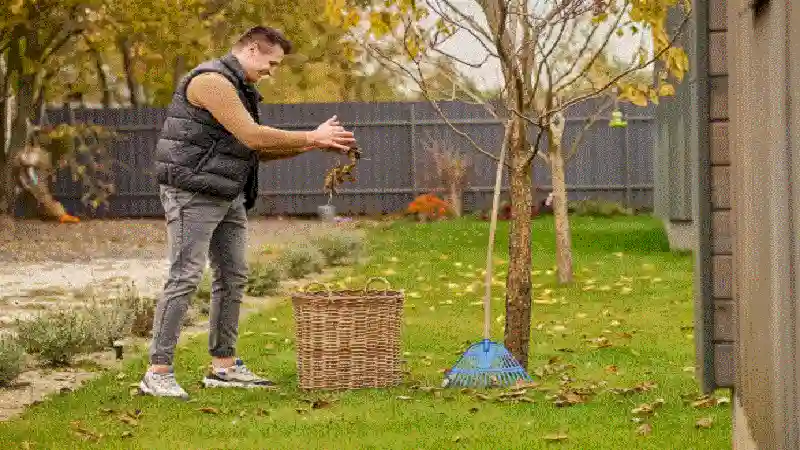
Early spring is an exciting time for homeowners eager to revive their lawns and gardens after a long winter. However, this season is also when many landscaping mistakes occur—often with long-term consequences. Understanding what not to do can save time, money, and frustration while helping your outdoor space thrive. For larger landscapes, especially those requiring irrigation system installation in Severn for large properties, proper planning becomes even more critical during this season.
1. Overwatering Too Soon
One of the most common mistakes is overwatering. After winter, the soil often retains a significant amount of moisture from rain and melting frost. Adding extra water too early can suffocate plant roots, encourage fungal diseases, and create soggy, unhealthy soil conditions.
If it feels damp a few inches below the surface, your plants likely don’t need additional water yet. A balanced watering approach is key during early spring.
2. Planting Too Early
It’s tempting to start planting as soon as the first warm days arrive, but early spring weather can be unpredictable. Late frosts can damage or kill newly planted flowers, vegetables, and shrubs.
A better strategy is to wait until the last frost date in your area has passed and the soil has warmed up. Patience during this stage ensures stronger plant growth and reduces the risk of replanting.
3. Ignoring Drainage Issues
Winter often reveals hidden drainage problems in your yard. Pooling water, muddy patches, and uneven ground are signs that your landscape needs attention.
Ignoring these issues can lead to root rot, lawn damage, and even structural concerns around your home. Early spring is the perfect time to address drainage by leveling the ground, adding proper soil, or installing solutions that guide water away efficiently.
4. Cutting Grass Too Short
Many homeowners make the mistake of mowing their lawn too short at the start of the season. While it may seem like a way to reduce maintenance, cutting grass too low weakens it and makes it more vulnerable to weeds, pests, and drought.
Keep your mower blades set higher in early spring. Taller grass promotes deeper root growth and helps your lawn stay healthier throughout the year.
5. Guessing Watering Schedules
Another major issue is relying on guesswork for watering. Some homeowners water too frequently, while others don’t provide enough hydration—both of which can harm plants.
This is where a more controlled approach becomes valuable. Instead of inconsistent manual watering, many property owners are turning to sprinkler system installation to maintain precise and even coverage. Automated systems ensure that lawns and gardens receive the right amount of water at the right time, reducing waste and promoting healthier growth.
6. Skipping Soil Preparation
Healthy landscaping starts with healthy soil. Jumping straight into planting without testing or enriching your soil can limit plant growth and lead to disappointing results.
Adding compost, checking pH levels, and loosening compacted soil can significantly improve your garden’s success. Taking the time to prepare your soil properly sets the foundation for a thriving landscape.
Final Thoughts
Early spring landscaping sets the tone for the rest of the year. Avoiding these common mistakes—like overwatering, planting too early, neglecting drainage, cutting grass too short, and guessing watering needs—can make a noticeable difference in your yard’s health and appearance.
A thoughtful, well-planned approach not only protects your investment but also ensures your outdoor space remains vibrant and enjoyable throughout the seasons.