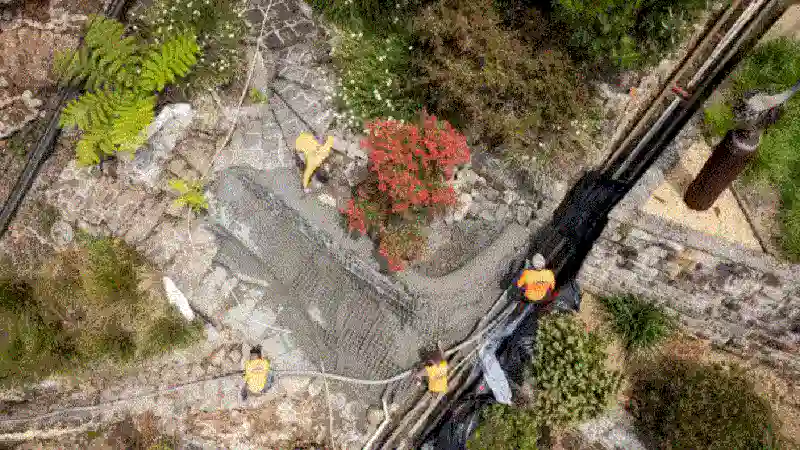
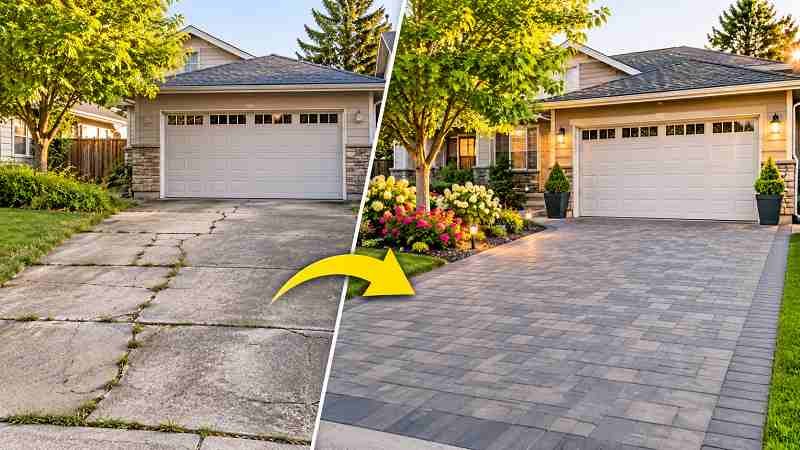
An aging driveway can affect both the appearance and functionality of a property. Cracked concrete, uneven paving, poor drainage, and damaged edging can make parking and walking more difficult while reducing the overall appeal of the home’s exterior. Renovating a driveway may involve demolition, excavation, moving heavy materials, cutting paving stones, and installing new surfaces. Contractors should assess the hazards involved and use appropriate protective equipment, which may include impact gloves, safety footwear, eye protection, hearing protection, and respiratory protection when necessary.
Inspect the Existing Driveway
Before choosing a new surface, assess the condition of the existing driveway.
Look for:
- Cracks
- Uneven sections
- Sinking areas
- Standing water
- Damaged edging
- Loose paving stones
- Surface deterioration
- Vegetation growing through joints
Understanding the extent of the damage helps determine whether repairs or a complete replacement will be more practical.
Decide Whether to Repair or Replace
Not every damaged driveway requires complete removal.
Minor surface issues may be repairable, depending on the material and underlying condition.
However, widespread cracking, significant movement, or recurring drainage problems may indicate that a larger renovation is necessary.
A paving contractor can help assess the existing surface and recommend an appropriate solution.
Choose the Right Driveway Material
Different driveway materials offer different appearances, maintenance requirements, and installation costs.
Common options include:
- Concrete
- Asphalt
- Brick pavers
- Natural stone
- Gravel
- Permeable paving systems
Consider the local climate, expected vehicle loads, maintenance requirements, and appearance of the surrounding property.
Plan the Driveway Layout
A driveway should provide enough room for vehicles to enter, park, and exit comfortably.
Before construction, think about:
- Number of vehicles
- Driveway width
- Parking arrangements
- Garage access
- Pedestrian pathways
- Landscaping
- Drainage
If the property has limited space, a well-planned layout can make everyday parking easier.
Check Local Requirements
Driveway renovations may require permits or approvals, particularly when modifying access to a public road, sidewalk, or drainage system.
Requirements vary by location.
Check applicable regulations before changing the driveway entrance, dimensions, or surface.
Plan for Drainage
Poor drainage can damage a driveway and create problems around the house.
Before installing a new surface, determine where rainwater will flow.
Depending on the site, drainage improvements may involve:
- Surface grading
- Appropriate drainage channels
- Permeable materials
- Underground drainage systems
- Changes to surrounding landscaping
The drainage design should direct water away from the building and avoid creating problems for neighboring properties.
Remove the Existing Surface
If the driveway requires complete replacement, the old surface must be removed.
This may involve breaking up concrete, lifting pavers, or removing damaged asphalt.
Demolition can produce heavy debris, dust, noise, and flying fragments.
Use suitable equipment and appropriate controls, and keep pedestrians and vehicles away from the active work area.
Prepare the Ground
Proper ground preparation is essential for a durable driveway.
The existing soil and underlying conditions need to be assessed before installing the new surface.
Depending on the design, preparation may involve excavation, grading, and installation of suitable base materials.
Poor preparation can contribute to sinking, cracking, and uneven surfaces.
Install a Strong Base
The base supports the finished driveway and helps distribute vehicle loads.
Its design depends on the selected paving material, soil conditions, and expected traffic.
Use appropriate materials and compaction methods for the project.
The base should also accommodate the planned drainage design.
Install the New Driveway Surface
Once the foundation is ready, installation of the selected surface can begin.
Different materials require different construction methods.
For example, concrete driveways involve placing and finishing concrete, while paver driveways require laying individual units over an appropriate prepared base.
Follow relevant design specifications and manufacturer recommendations.
Add Driveway Edging
Edging can improve the appearance of a driveway while helping define the boundary between paving and landscaping.
Possible options include:
- Brick edging
- Concrete borders
- Natural stone
- Appropriate metal edging
- Other suitable landscape borders
Choose materials that complement the driveway surface and the style of the house.
Improve the Entrance
The driveway entrance is often one of the first features visitors notice.
Consider whether the renovation should also include:
- New entrance paving
- Updated gates
- Improved lighting
- Decorative planting
- Repaired fencing
- A new pedestrian pathway
Coordinating these improvements can create a more consistent exterior design.
Add Outdoor Lighting
Lighting can make a driveway easier to navigate after dark.
Potential options include:
- Wall-mounted lighting
- Pathway lights
- Entrance lighting
- Motion-activated fixtures
- Landscape lighting
Plan any electrical infrastructure before completing the surrounding paving.
Electrical work should be performed by qualified professionals where required.
Update the Surrounding Landscaping
A newly renovated driveway can look even better when paired with landscaping improvements.
Consider adding garden beds, shrubs, decorative gravel, or low-maintenance planting.
Avoid selecting plants that will eventually obstruct visibility, damage paving, or interfere with vehicle access.
Maintain the New Driveway
Maintenance requirements depend on the material.
Some surfaces may need periodic cleaning, sealing, joint maintenance, or repairs.
Address small problems early rather than allowing them to develop into more significant damage.
Also keep drainage systems clear so water can flow away from the surface.
Final Thoughts
Renovating an old driveway can improve the appearance, accessibility, and functionality of a property.
A successful project begins with understanding the existing problems, selecting an appropriate material, and preparing a stable foundation with effective drainage.
By coordinating paving, edging, lighting, and landscaping, homeowners can create a durable driveway that complements the rest of the property and improves everyday use. See more