
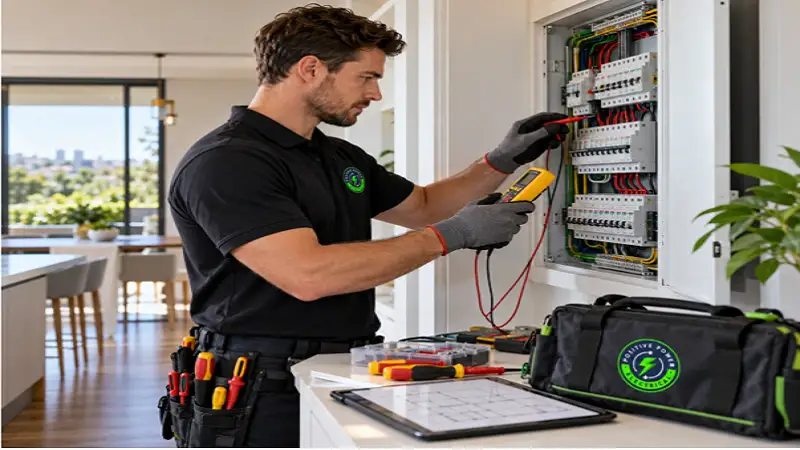
Most homeowners do not think about the switchboard until a breaker keeps tripping or a renovation creates the need for another circuit. Yet the smarter time to assess it is often before the next major electrical upgrade. Homeowners planning EV charging, kitchen changes, or extra electrical capacity may speak with an experienced electrician in Cherrybrook to determine whether the existing board can support what the home is becoming, not just what it supports today.
A Switchboard Upgrade Is Really Capacity Planning
A switchboard upgrade is often described as replacing an old electrical panel, but that misses the more useful question: what will the home need from its electrical system over the next few years? One new appliance might be manageable, while a combination of an EV charger, induction cooktop and heat-pump system can create a very different planning conversation.
NSW Climate and Energy Action advises homeowners to have a licensed electrician assess both current and planned future electrical needs when considering a switchboard upgrade. Its guidance specifically identifies additions such as EV chargers and kitchen renovations as reasons future capacity should be considered.
An Older Board Is Not the Only Trigger
Age can be one reason to investigate a switchboard, but appearance alone does not tell the whole story. A board may also need attention because there is limited room for additional circuits, existing protection needs reviewing or the household is planning equipment that changes its electrical demand.
Consider two homes with similar switchboards. Home A has no planned electrical changes, while Home B is preparing for an EV charger and a renovated kitchen. The second property may need a more detailed capacity assessment even if both boards appear similar from the outside.
Safety Switches Deserve Their Own Conversation
A switchboard upgrade is also an opportunity to review electrical protection. Safety switches, also known as RCDs, are designed to disconnect electricity when certain leakage faults occur and help protect people from serious electric shock. They are not the same thing as ordinary circuit breakers, which primarily protect wiring and circuitry.
Current NSW guidance says electrical wiring work must be completed by a licensed electrician and recommends appropriate safety-switch protection across household circuits. It also recommends testing safety switches regularly rather than assuming they are working simply because they are installed.
One New Appliance Can Expose the Bottleneck
A homeowner may initially think they are arranging one project, such as an EV charger installation, only to discover that the existing electrical infrastructure needs attention first. That does not mean every EV charger or new appliance automatically requires a switchboard upgrade. It means the proposed load needs to be assessed in the context of the rest of the property.
A useful three-question check is: what does the home use now, what are you adding next, and what might be added within the next few years? That approach is more useful than sizing the electrical system around today’s requirements alone.
Renovations Are the Right Time to Think Ahead
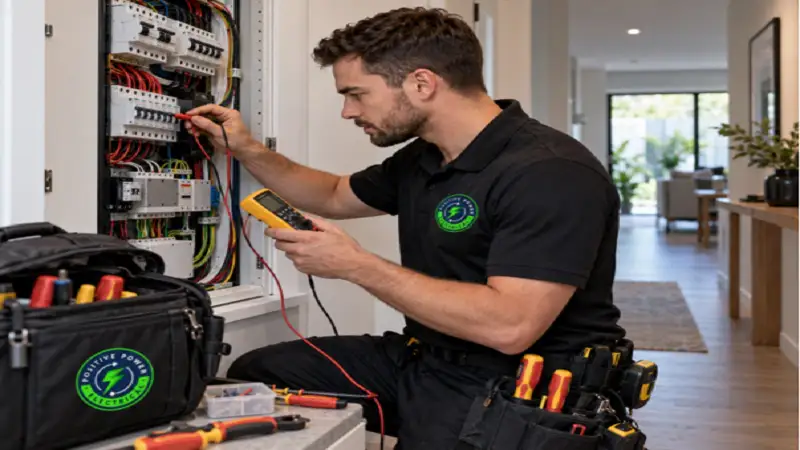
Renovations often create a natural point to review electrical capacity because walls, ceilings, and electrical layouts may already be changing. If a kitchen renovation requires new circuits, an office needs more power, and the garage may eventually receive EV charging, considering those three projects together can produce a more coherent electrical plan.
The opposite approach is dealing with each addition independently over several years. That can mean repeated electrical work and discovering capacity limitations only after equipment has already been selected. It means avoiding decisions that make the next upgrade unnecessarily difficult. Positive Power Electrical offers switchboard upgrade services to help homeowners plan their electrical systems for changing power requirements.
Do Not Upgrade Just Because the Board Looks Old
Homeowners should be cautious about treating a switchboard upgrade as an automatic recommendation based on appearance alone. Flickering lights, repeated trips, buzzing, visible damage or limited capacity may justify investigation, but fault finding can sometimes reveal a more specific issue elsewhere in the electrical system.
For example, one repeatedly tripping circuit might be caused by a fault connected to that circuit rather than a problem requiring replacement of the entire switchboard. A licensed electrician should identify the cause first and then explain whether the appropriate solution is repair, additional protection or a broader upgrade.
Ask These Four Questions Before Approving the Work
A good switchboard conversation should leave a homeowner understanding why the work is being recommended, not simply what equipment will be installed.
Numbered list:
What limitation or electrical issue has been identified with the existing switchboard?
Does the proposed switchboard upgrade account for planned additions such as an EV charger or kitchen renovation?
Is the existing safety-switch protection appropriate for the home’s circuits?
What electrical testing and compliance documentation will be provided after the work?
Those four questions shift the discussion from “Do I need a new switchboard?” to “What electrical system does this home actually need?” That distinction can lead to better decisions and reduce the chance of paying for an upgrade that does not consider future requirements.
Build the Electrical System Around What Comes Next
A switchboard is easy to ignore because it sits quietly in the background while every appliance, light, and outlet depends on it. The better approach is to treat a switchboard upgrade as part of the home’s longer electrical plan. Assess what the property uses today, what you intend to add tomorrow, and whether the existing protection and capacity suit both. A well-planned electrical upgrade should not simply replace the past; it should make the next project easier.
See More: LatestDecoratorAdvice