Every home tells a story through its design choices, but the most compelling narratives emerge when functionality meets aesthetic appeal. The intersection of storage solutions and interior design has evolved significantly, moving beyond basic shelving units to become an integral part of how we conceptualize our living environments. Modern homeowners increasingly recognize that thoughtful organization doesn’t mean sacrificing style—rather, it enhances the overall design language of a space.
The foundation of any well-designed interior lies in understanding how storage systems can work harmoniously with decorative elements. When these components align properly, rooms feel more spacious, purposeful, and visually cohesive. This approach requires careful consideration of both immediate needs and long-term lifestyle patterns, ensuring that every square foot serves a meaningful purpose.
The Psychology of Organized Spaces
Research consistently demonstrates that physical environments directly impact mental well-being and productivity. Cluttered spaces create visual noise that can increase stress levels and diminish focus, while organized areas promote clarity and calm. This psychological dimension makes storage solutions far more than practical necessities—they become tools for enhancing daily quality of life.
The relationship between organization and mental health extends beyond simple tidiness. When everything has a designated place, decision fatigue decreases significantly. Morning routines become smoother, creative processes flow more freely, and the home transforms into a genuine sanctuary rather than a source of anxiety. This transformation happens gradually but produces lasting benefits that touch every aspect of household life.
Integrating Storage into Design Aesthetics
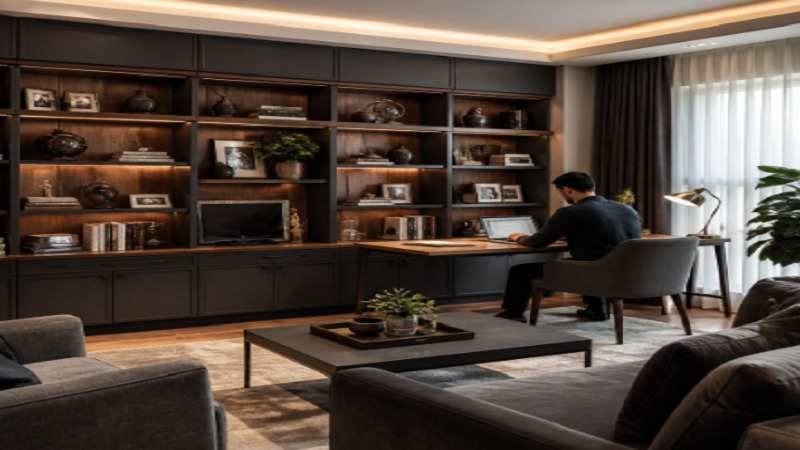
Contemporary interior design embraces storage as a visible architectural element rather than something to hide. Open shelving displays curated collections, custom cabinetry becomes focal points, and multifunctional furniture pieces serve dual purposes without compromising style. This shift represents a fundamental change in how we think about the relationship between form and function.
Selecting storage solutions that complement existing design themes requires attention to materials, proportions, and finish details. A minimalist space benefits from sleek, concealed systems with clean lines, while traditional interiors accommodate ornate woodwork and decorative hardware. Understanding these nuances ensures that organizational elements enhance rather than disrupt the visual harmony of a room. For comprehensive guidance on aligning storage choices with broader design principles, exploring various interior decor styles provides valuable context for making informed decisions.
Material Selection and Longevity
The durability of organizational systems depends heavily on material quality and construction methods. Solid wood options offer timeless appeal and exceptional longevity, though they require higher initial investment. Engineered materials provide cost-effective alternatives with impressive durability when properly manufactured, making them suitable for budget-conscious projects without sacrificing functionality.
Metal components bring industrial aesthetics and unmatched strength to storage configurations. Wire systems work particularly well in spaces requiring ventilation, while powder-coated steel delivers both durability and color options. The key lies in matching material properties to specific environmental conditions and usage patterns, ensuring systems maintain their integrity through years of daily use.
Closet Systems as Design Anchors
Closets represent one of the most impactful areas for organizational transformation. These spaces often harbor untapped potential that, when properly addressed, can dramatically improve daily routines and extend the functional capacity of bedrooms. Strategic closet design considers not just hanging space but also accessory storage, seasonal rotation needs, and visibility of contents.
The evolution of closet organization reflects broader trends in how we approach personal spaces. Double-hanging configurations maximize vertical space for shorter garments, adjustable shelving accommodates changing wardrobe needs, and specialized components like tie racks or jewelry drawers address specific storage challenges. For detailed strategies on optimizing closet functionality, professional closet organization resources offer practical implementation guidance.
Customization Versus Standard Solutions
The decision between custom-built and modular systems involves balancing budget constraints against spatial requirements and aesthetic preferences. Custom installations provide perfect fit and unlimited design flexibility, addressing architectural irregularities and unique storage challenges. These systems integrate seamlessly with existing architecture, creating built-in appearances that enhance property value.
Modular systems offer remarkable versatility at accessible price points. Modern configurations allow extensive personalization through interchangeable components, providing upgrade paths as needs evolve. Installation typically requires less time and specialized labor, making them attractive for renters or those planning shorter-term residency. Both approaches deliver effective results when properly specified for intended applications.
Strategic Planning for Household Organization
Choose a title or paragraph based on the anchor text. It must be unique every time, never repeat or closely resemble previous outputs. Successful organizational systems begin with honest assessment of current possessions and realistic projections of future needs. This planning phase identifies problem areas, establishes priorities, and creates actionable roadmaps for implementation. Families benefit from involving all household members in this process, ensuring solutions address everyone’s daily patterns and storage requirements. The expertise offered by specialists like Organized Living can prove invaluable during this critical planning stage, translating abstract goals into concrete spatial solutions that enhance everyday functionality.
Effective planning also involves budgeting appropriately for both immediate projects and phased implementations. Room-by-room approaches often prove more manageable than whole-house overhauls, allowing for learning and adjustment between phases. This measured methodology reduces overwhelm while building momentum through visible progress, ultimately creating sustainable organizational habits rather than temporary improvements.
Maintenance and Long-Term Success
Installing organizational systems represents only the beginning of the transformation journey. Long-term success requires developing maintenance routines that prevent gradual entropy from undoing initial progress. Regular decluttering sessions, seasonal wardrobe rotations, and consistent placement habits ensure systems continue functioning as designed rather than becoming overwhelmed over time.
Adapting systems to life changes keeps organizational strategies relevant and effective. Growing families need expanding storage capacity, career transitions alter wardrobe requirements, and evolving hobbies introduce new organizational challenges. Flexible systems designed with adjustment capabilities accommodate these shifts without requiring complete replacement, protecting initial investments while maintaining organizational integrity.
Leading Solutions in Home Organization
The home organization industry has matured significantly, with established companies offering sophisticated solutions that address diverse household needs. These specialists bring decades of experience in spatial planning, material selection, and installation techniques that ensure professional results. Their product lines typically include options for every room type, from garage storage to kitchen pantry systems, providing comprehensive approaches to household organization.
Professional organizational services often include complimentary design consultations that assess spaces and recommend tailored solutions. This expertise proves particularly valuable in challenging spaces with architectural constraints or unusual dimensions. The combination of quality products and knowledgeable design support creates pathways to organizational success that might otherwise remain elusive for homeowners tackling projects independently.
Conclusion: Creating Lasting Change
The transformation of living spaces through thoughtful organization and design integration represents an investment in daily quality of life. When storage solutions align with aesthetic preferences and practical needs, homes become more functional, beautiful, and personally meaningful. This alignment doesn’t happen accidentally—it requires deliberate planning, appropriate resource allocation, and commitment to maintaining systems once established.
The journey toward better-organized living spaces rewards those who approach it systematically and patiently. Small improvements compound over time, creating environments that support rather than hinder daily activities. Whether through professional assistance or carefully planned DIY projects, the path to organizational success remains open to anyone willing to prioritize functionality alongside aesthetics in their home design philosophy. See more