
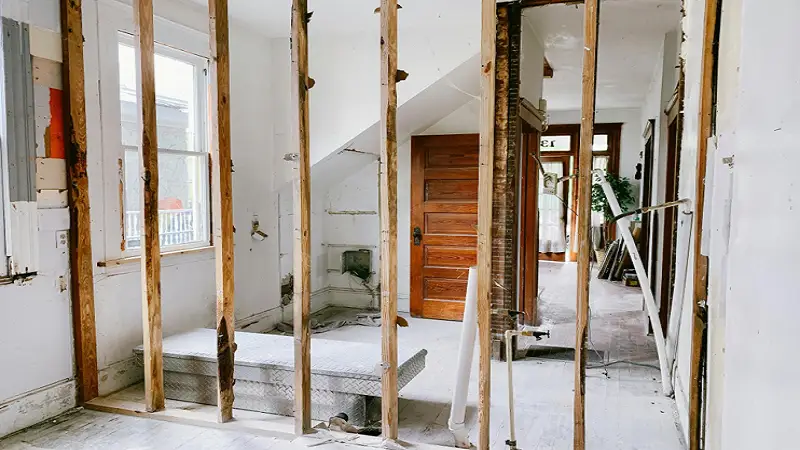
Renovation projects usually begin with a clear vision. New finishes, updated layouts, and improved functionality all promise to refresh a home, add curbside appeal, and increase the value of your most valuable asset.
However, even with careful planning, renovations can reveal issues that weren’t visible at the start.
Unexpected damage hidden behind walls, beneath flooring, or within older structural elements can quickly shift priorities. Knowing how to respond calmly and methodically helps protect your home, control costs, and keep the project moving forward in a manageable way.
Pause the Work and Assess the Situation
When unexpected damage is uncovered, the first and most important step is to pause all ongoing work. Continuing construction without fully understanding the problem can worsen the damage or create safety hazards.
Take a moment to assess what you’re seeing. This may include moisture damage, cracked supports, mold growth, or outdated wiring that no longer meets current standards. Some issues may look minor at first, but indicate larger underlying problems.
Stopping work allows everyone involved to evaluate the situation clearly. It also prevents rushed decisions that can lead to incomplete or temporary fixes rather than proper repairs.
Document the Damage Clearly and Thoroughly
After work has stopped, documenting the damage should be your next priority. Clear records help when discussing the issue with contractors, inspectors, or insurance providers.
Photograph the damage from several angles and include wider shots that show its location within the room. Written notes describing what was found and when it was discovered can also be helpful later.
Useful details to record include:
- The exact area affected,
- Materials showing visible damage,
- Signs of water, decay, or movement.
Thorough documentation creates a reliable reference point and supports clearer communication throughout the repair process.
Consult the Right Professionals
Unexpected damage uncovered during a renovation often requires guidance beyond what a general contractor alone can provide. While your contractor may be experienced in managing day-to-day construction tasks, certain issues call for specialised expertise to ensure they are handled correctly.
Structural concerns, such as compromised beams, foundation cracks, or shifting supports, should be reviewed by a qualified structural engineer or building inspector. These professionals can assess whether the damage affects the safety of the home and recommend appropriate repairs. Electrical or plumbing issues should always be evaluated by licensed tradespeople who understand current codes and safety standards.
Bringing in the right professionals early helps define the full scope of the problem. Their assessments reduce uncertainty and prevent assumptions that could lead to incomplete or temporary fixes. Early consultation also supports clearer budgeting and planning, as accurate information allows for more reliable cost estimates and timelines.
Addressing issues at their source protects both your home and your renovation investment. Expert input provides peace of mind and helps ensure that repairs are completed properly, even before work starts.
Review Your Budget and Explore Financial Options
Once the damage has been fully assessed, it’s important to take a fresh look at your renovation budget. Unexpected repairs can quickly change financial priorities, especially if contingency funds were limited or already allocated elsewhere. Pausing to reassess helps prevent small issues from turning into long-term financial strain.
Some homeowners choose to adjust their renovation plans to manage costs. This might mean revisiting material selections, postponing non-essential upgrades, or extending timelines to spread expenses over a longer period. These decisions can feel disappointing at first, but they often provide needed flexibility.
Others explore short-term financing solutions, such as loans like FinWise, to cover repair costs without bringing the renovation process to a complete halt. This approach can help maintain momentum while allowing repairs to be completed properly rather than rushed or delayed.
The most important step is to review all options carefully. Understanding updated costs, repayment terms, and overall impact on your finances allows you to make informed choices. Thoughtful planning at this stage helps reduce stress and keeps the renovation process manageable as it moves forward.
Adjust the Renovation Plan Thoughtfully
Once unexpected damage has been assessed, your renovation plan will likely need adjustments. This may involve extending timelines, revisiting material choices, or changing the sequence in which tasks are completed. These updates can feel frustrating, especially when plans were carefully set in advance, but they’re often necessary to protect the long-term integrity of your home.
Flexibility becomes essential at this stage. Adapting the plan doesn’t mean abandoning your original vision. Instead, it means working within the new reality caused by unexpected or newly discovered damage. In some cases, addressing hidden damage may influence design decisions, such as simplifying certain features to accommodate the cost of repairs.
Clear and ongoing communication with your contractor is particularly important. Discuss how the changes affect scheduling, costs, and daily access to your space. Make sure revised expectations are agreed upon before work resumes.
Taking time to adjust the plan thoughtfully helps prevent rushed decisions. With careful coordination, repairs and renovations can move forward together in sync, reducing the risk of further disruptions and keeping the project on track.
Moving Forward With Confidence
After repairs are complete, it’s normal to feel cautious about moving ahead. Take time to review the repaired areas and confirm that the work meets expectations.
Ask questions if anything feels unclear and request documentation where appropriate. Understanding what was fixed and how it was addressed helps rebuild confidence in the renovation process.
Unexpected damage can be frustrating, but it doesn’t have to derail your renovation. Pausing work, documenting carefully, consulting professionals, and adjusting plans thoughtfully all contribute to better outcomes.
Many homeowners find that addressing hidden issues ultimately provides peace of mind and a more functional (and safer) living space. With problems resolved and a clear plan in place, you can move forward knowing the renovation has provided a more secure foundation to build the quality of life you aspire to. See more