
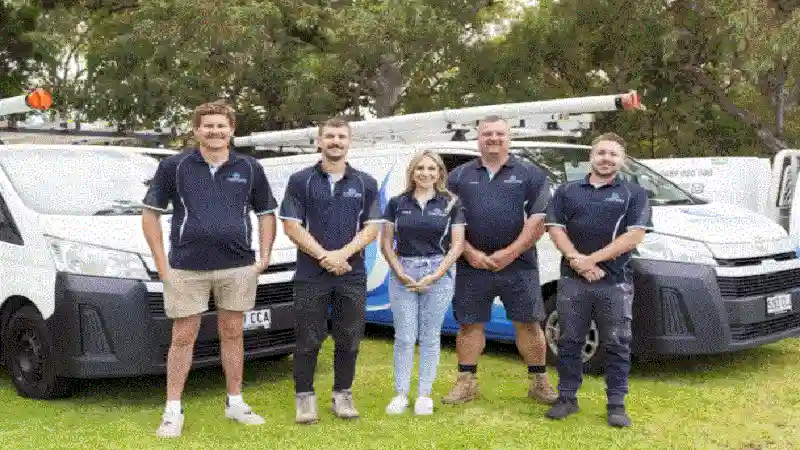
A well-functioning plumbing system is essential for the comfort and safety of any home. From providing clean water for daily use to safely removing wastewater, plumbing plays a vital role in maintaining a healthy living environment. However, many homeowners only think about plumbing when something goes wrong. Learning basic maintenance practices and knowing when to contact a plumber Marryatville can help prevent major issues and keep household plumbing systems operating efficiently.
Regular maintenance and early problem detection are key to avoiding costly repairs and unexpected plumbing emergencies.
Understanding the Main Components of a Plumbing System
A home’s plumbing system is made up of several interconnected components that work together to deliver water and remove waste. These components generally include water supply lines, drainage pipes, fixtures, and appliances. Water supply lines carry fresh water from the main connection into the home, while drainage pipes transport wastewater away from sinks, showers, toilets, and other fixtures. Understanding these basic elements helps homeowners recognise potential issues and respond quickly when problems arise.
Monitoring Water Pressure
Water pressure is an important factor in the performance of a plumbing system. If the pressure is too high, it can place unnecessary strain on pipes, fittings, and appliances. Excessive pressure may lead to leaks, damaged seals, or pipe bursts over time. On the other hand, very low water pressure can indicate blockages or hidden leaks within the plumbing system. Homeowners should pay attention to sudden changes in water pressure and seek professional assistance if the issue persists.
Checking for Leaks Regularly
Water leaks often develop gradually and may remain unnoticed for long periods. Signs of leaks may include damp spots on walls or ceilings, unexplained increases in water bills, or the sound of running water when fixtures are not in use. Inspecting visible pipes, under-sink areas, and appliance connections can help detect leaks early. Addressing leaks promptly helps prevent structural damage and water waste.
Maintaining Drains and Preventing Blockages
Blocked drains are one of the most common plumbing problems in residential properties. Everyday materials such as grease, hair, soap residue, and food scraps can accumulate inside pipes and restrict water flow. Homeowners can reduce the risk of blockages by using drain strainers, avoiding pouring grease down sinks, and disposing of waste properly. Regular drain cleaning and mindful usage help maintain proper drainage and prevent inconvenient plumbing disruptions.
Caring for Hot Water Systems
Hot water systems are essential household appliances that require routine maintenance to function efficiently. Over time, sediment can accumulate inside the tank or heating elements, reducing efficiency and performance. Homeowners should monitor the temperature settings and watch for signs of problems such as unusual noises, inconsistent water temperature, or water discolouration. Scheduling regular servicing helps extend the lifespan of the hot water system and ensures reliable operation.
Protecting Pipes from Damage
Pipes can deteriorate over time due to corrosion, pressure fluctuations, or environmental factors. While many plumbing pipes are hidden within walls or floors, homeowners can still take steps to protect them. Avoid placing excessive weight or pressure on exposed pipes, and ensure that plumbing installations are not disturbed during home renovations or landscaping work. If unusual sounds such as banging or rattling occur within the pipes, it may indicate pressure issues that require professional inspection.
Understanding When to Call a Professional
While basic maintenance can help prevent minor issues, certain plumbing problems require professional expertise. Burst pipes, persistent leaks, gas line concerns, and major drainage blockages should always be handled by licensed professionals. Professional plumbers have the training and equipment needed to diagnose complex issues and carry out safe repairs. Seeking professional help early can prevent further damage and ensure that plumbing systems remain safe and reliable.
Scheduling Routine Plumbing Inspections
Routine inspections are an effective way to identify hidden plumbing issues before they become major problems. During an inspection, plumbers assess the condition of pipes, fixtures, and drainage systems. They may also check water pressure, inspect appliances, and evaluate potential risk areas such as aging pipes or worn fittings. Regular inspections provide homeowners with peace of mind and help maintain the long-term health of the plumbing system.
Practising Responsible Water Use
Maintaining a plumbing system also involves responsible water use. Conserving water not only reduces utility costs but also helps prevent unnecessary strain on plumbing components. Simple habits such as turning off taps when not in use, fixing leaks promptly, and using water-efficient fixtures can contribute to a more sustainable home. Responsible water use supports both environmental conservation and plumbing system longevity.
Conclusion
Maintaining a home’s plumbing system requires awareness, routine care, and timely professional assistance when needed. By monitoring water pressure, checking for leaks, maintaining drains, and servicing key appliances, homeowners can reduce the risk of plumbing emergencies.
Understanding how plumbing systems function allows homeowners to identify potential issues early and take preventative action. With regular maintenance and professional inspections, plumbing systems can continue operating safely and efficiently for many years. Taking proactive steps to care for household plumbing helps protect both the home and the comfort of everyone who lives there.