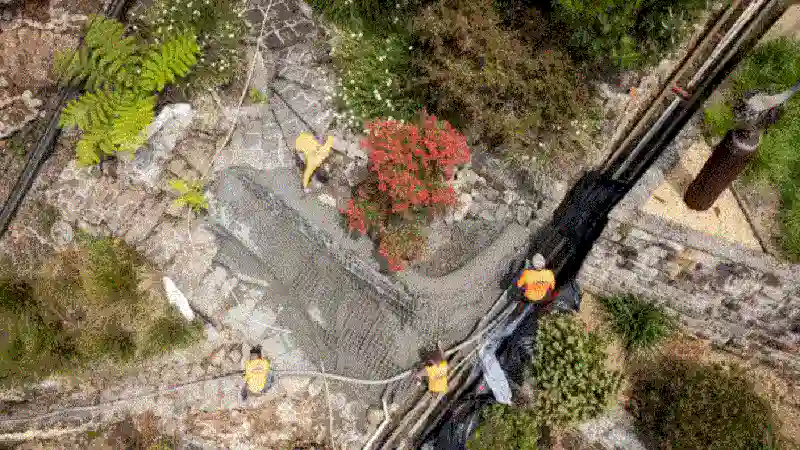
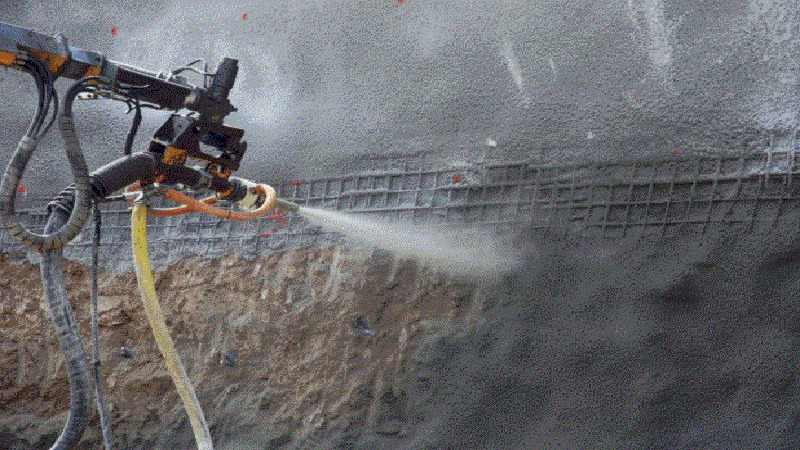
Shotcrete has become a key solution in modern civil construction due to its versatility, strength, and ability to be applied in complex environments. It is commonly used for tunnels, retaining walls, slope stabilisation, and structural repairs where traditional concrete placement may not be practical. The performance of shotcrete depends heavily on the key materials used in shotcrete, as each component plays a vital role in achieving strength and long-term durability.
A well-designed shotcrete mix is not just about combining materials but about balancing them to meet structural and environmental demands. When the right materials are selected and applied correctly, shotcrete delivers exceptional resistance to pressure, weather, and wear over time.
Cement as the Core Binding Element
Cement is the most important component in any shotcrete mix because it acts as the binding agent that holds all other materials together. When mixed with water, cement undergoes hydration, a chemical reaction that allows it to harden and gain strength. This process forms the foundation of shotcrete’s structural integrity. The type and quality of cement used directly affect the strength, setting time, and durability of the finished product.
High-performance cement can improve bonding between particles and enhance resistance to environmental conditions. In projects where rapid application is required, specific cement types or additives can be used to accelerate the setting process without compromising quality. A properly balanced cement content ensures that the shotcrete achieves the necessary compressive strength while maintaining workability during application. Too much cement can lead to shrinkage, while too little can weaken the structure, making precision in mix design essential.
Aggregates and Their Role in Structural Stability
Aggregates form the bulk of the shotcrete mix and are essential for providing strength and stability. These materials typically include sand and fine gravel, which help create a dense and compact structure. The quality and grading of aggregates play a significant role in determining how well the shotcrete performs.
Well-graded aggregates ensure that particles fit together efficiently, reducing voids and improving overall density. This leads to increased durability and resistance to cracking. The size and shape of the aggregates also affect how easily the shotcrete can be applied, especially in vertical or overhead surfaces.
High-quality aggregates contribute to:
- Improved compressive strength
- Reduced shrinkage and cracking
- Better resistance to environmental stress
By selecting the right aggregates, engineers can create a shotcrete mix that is both strong and durable, capable of handling heavy loads and long-term exposure.
Water Balance and Its Impact on Strength
Water is a critical component in shotcrete, as it activates the cement and allows the mix to be applied effectively. However, the amount of water used must be carefully controlled. The water-to-cement ratio is one of the most important factors in determining the final strength and durability of the material.
Too much water can weaken the mix, leading to lower strength and increased porosity. This makes the shotcrete more susceptible to cracking and environmental damage. On the other hand, too little water can make the mix difficult to apply and reduce its ability to bond properly to surfaces. Achieving the right balance ensures that the shotcrete remains workable during application while still developing the strength needed for structural performance. Proper water control also helps improve resistance to weathering and long-term wear.
Admixtures for Enhanced Performance and Workability
Admixtures are added to the shotcrete mix to improve specific properties and adapt it to different project requirements. These materials allow engineers to modify how the shotcrete behaves during application and after it has set. Common types of admixtures include accelerators, plasticisers, and air-entraining agents. Accelerators are particularly useful in projects such as tunnelling, where rapid setting is required to stabilise surfaces quickly.
Plasticisers improve the flow of the mix without increasing water content, making it easier to apply in difficult areas. Air-entraining agents introduce tiny air bubbles into the mix, which help improve resistance to freeze-thaw cycles and enhance durability in harsh climates. By carefully selecting admixtures, engineers can tailor the shotcrete to meet the specific demands of each project.
Reinforcement Methods for Long-Term Durability
While shotcrete is strong in compression, it requires reinforcement to handle tensile forces and prevent cracking. Reinforcement materials are used to improve the overall strength and durability of the structure, especially in areas subjected to stress or movement.
Steel fibres are commonly added directly to the mix, providing distributed reinforcement throughout the shotcrete. This helps control cracking and improves impact resistance. In some cases, additional reinforcement, such as mesh or rebar, is used to provide extra support in high-load areas.
Reinforcement offers several key benefits:
- Increased resistance to cracking
- Improved load-bearing capacity
- Enhanced structural stability over time
By incorporating reinforcement, shotcrete becomes more resilient and capable of maintaining its integrity under challenging conditions.
The Importance of Mix Design and Material Quality
The effectiveness of shotcrete depends not only on the individual materials but also on how they are combined. Proper mix design ensures that all components work together to achieve the desired performance. Engineers carefully consider factors such as environmental conditions, application methods, and structural requirements when designing the mix.
Material quality is equally important. Using high-grade cement, clean aggregates, and reliable additives ensures consistent results and reduces the risk of defects. Poor-quality materials can lead to issues such as reduced strength, cracking, and premature failure. A well-designed and carefully controlled mix provides long-term benefits, including improved durability, reduced maintenance, and greater reliability. This makes shotcrete a dependable solution for a wide range of civil construction projects.
Conclusion
Shotcrete’s strength and durability come from the careful selection and combination of its materials. Cement, aggregates, water, admixtures, and reinforcement all play essential roles in creating a structure that can withstand environmental stress and structural demands.
By focusing on proper mix design and using high-quality materials, engineers can ensure that shotcrete performs effectively in even the most challenging conditions. Understanding these components highlights why shotcrete remains a trusted and versatile solution in modern civil construction.