Managing a strata property involves shared responsibilities between owners, tenants, and the owners’ corporation. One area that often confuses is strata pest control responsibility, particularly when pests affect both individual lots and common areas. Understanding who is responsible helps prevent disputes and ensures issues are resolved quickly and effectively.
Pest problems can arise in any property, but in strata schemes, the situation can become more complex due to shared spaces and multiple occupants. Clear guidelines and proper communication between all parties are essential to maintaining a clean, safe, and well-managed building.
What Strata Pest Control Responsibility Means
Strata pest control responsibility refers to determining who is accountable for managing and paying for pest control in different parts of a strata property. This responsibility is usually divided between the owners’ corporation and individual lot owners, depending on where the issue occurs and what caused it.
In general, the owners’ corporation is responsible for common areas, while lot owners are responsible for their private units. However, this distinction is not always straightforward. Factors such as the source of the infestation and the extent of the problem can influence who is ultimately responsible. Understanding this framework is essential for resolving pest issues efficiently and avoiding unnecessary disputes.
The Role of the Owners Corporation
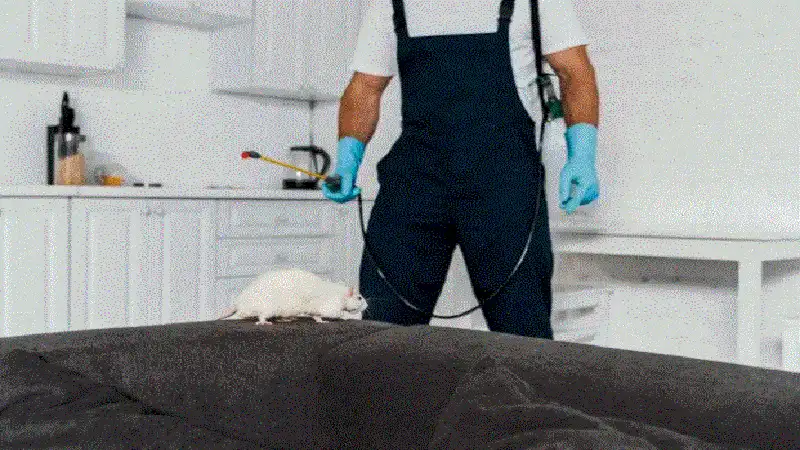
The owners’ corporation, also known as the body corporate, is typically responsible for maintaining common property. This includes areas such as hallways, gardens, shared facilities, and building exteriors. When pests are found in these shared spaces, the responsibility for pest control usually falls on the owners’ corporation. They are required to take action to address infestations and prevent them from spreading throughout the building.
This may involve organising professional pest control services, implementing preventative measures, and ensuring that common areas are kept clean and well-maintained. By managing these responsibilities, the owners’ corporation helps protect the overall condition and safety of the property.
Responsibilities of Individual Lot Owners
Lot owners are generally responsible for pest control within their own units. This includes addressing infestations that occur inside the property and maintaining conditions that prevent pests from entering or thriving.
Owners are expected to keep their units clean, manage waste properly, and address any issues that could attract pests. If an infestation is limited to a single lot and is caused by conditions within that unit, the owner is typically responsible for resolving it. Taking proactive steps to maintain a clean and well-kept environment helps reduce the risk of pest problems and supports the overall health of the building.
When Responsibility Overlaps
In some cases, pest control responsibility may overlap between the owners’ corporation and individual lot owners. This can happen when the source of the infestation is unclear or when pests move between private and common areas.
For example, if pests originate in a common area but spread into individual units, both parties may need to work together to resolve the issue. Similarly, if a problem in one unit affects neighbouring properties, shared responsibility may apply. In these situations, cooperation and clear communication are essential. Working together ensures that the problem is addressed comprehensively and prevents it from recurring.
Determining the Source of the Infestation
Identifying the source of a pest problem is a key factor in determining responsibility. Professional pest control inspections can help pinpoint where the issue began and how it has spread. If the infestation is linked to structural issues or common areas, the owners’ corporation is likely responsible. If it is caused by conditions within a specific unit, the responsibility typically falls on the lot owner. Accurate assessment ensures that the right party takes action and helps avoid disputes. It also allows for more effective treatment and prevention strategies.
The Importance of Strata By-Laws
Strata bylaws play an important role in defining pest control responsibilities. These rules outline the obligations of both the owners’ corporation and individual lot owners, guiding how issues should be handled.
Bylaws may include specific requirements for maintaining cleanliness, reporting pest problems, and arranging pest control services. They may also address cost-sharing arrangements in certain situations. Reviewing the bylaws helps clarify responsibilities and ensures that all parties understand their obligations. This reduces confusion and supports smoother management of pest-related issues.
Preventative Measures and Regular Maintenance
Preventing pest problems is often more effective than dealing with infestations after they occur. Both the owners’ corporation and lot owners have a role to play in maintaining a pest-free environment.
Common preventative measures include:
- Regular cleaning and maintenance of common areas
- Proper waste management and disposal
- Sealing entry points and repairing structural damage
- Scheduling routine pest inspections and treatments
By implementing these measures, strata properties can reduce the risk of infestations and maintain a healthier living environment for all residents.
Resolving Disputes and Ensuring Cooperation
Disputes over pest control responsibility can arise when there is uncertainty or disagreement about who should take action. In these cases, clear communication and a willingness to cooperate are essential.
Owners and committees should refer to strata by-laws, seek professional advice, and work together to find a solution. In some situations, mediation or assistance from a strata manager may be required to resolve the issue. Taking a collaborative approach helps ensure that pest problems are addressed quickly and effectively, benefiting everyone in the property.
Conclusion
Understanding strata pest control responsibility is essential for maintaining a clean, safe, and well-managed property. By clearly defining the roles of the owners’ corporation and individual lot owners, strata schemes can handle pest issues more effectively and avoid unnecessary disputes.
With proper communication, adherence to bylaws, and a focus on preventative maintenance, both owners and committees can work together to create a healthier living environment. Addressing pest problems promptly and collaboratively ensures the long-term well-being of the entire property. See more.